Capas
Comprar ahora
The Napapijri Bulletin is a monthly editorial project that tells the extraordinary stories of extraordinary people. Cultural adventurers, friends of the brand, modern explorers: each month, The Bulletin celebrates those who dare to abandon the known maps to chart unexpected territories.
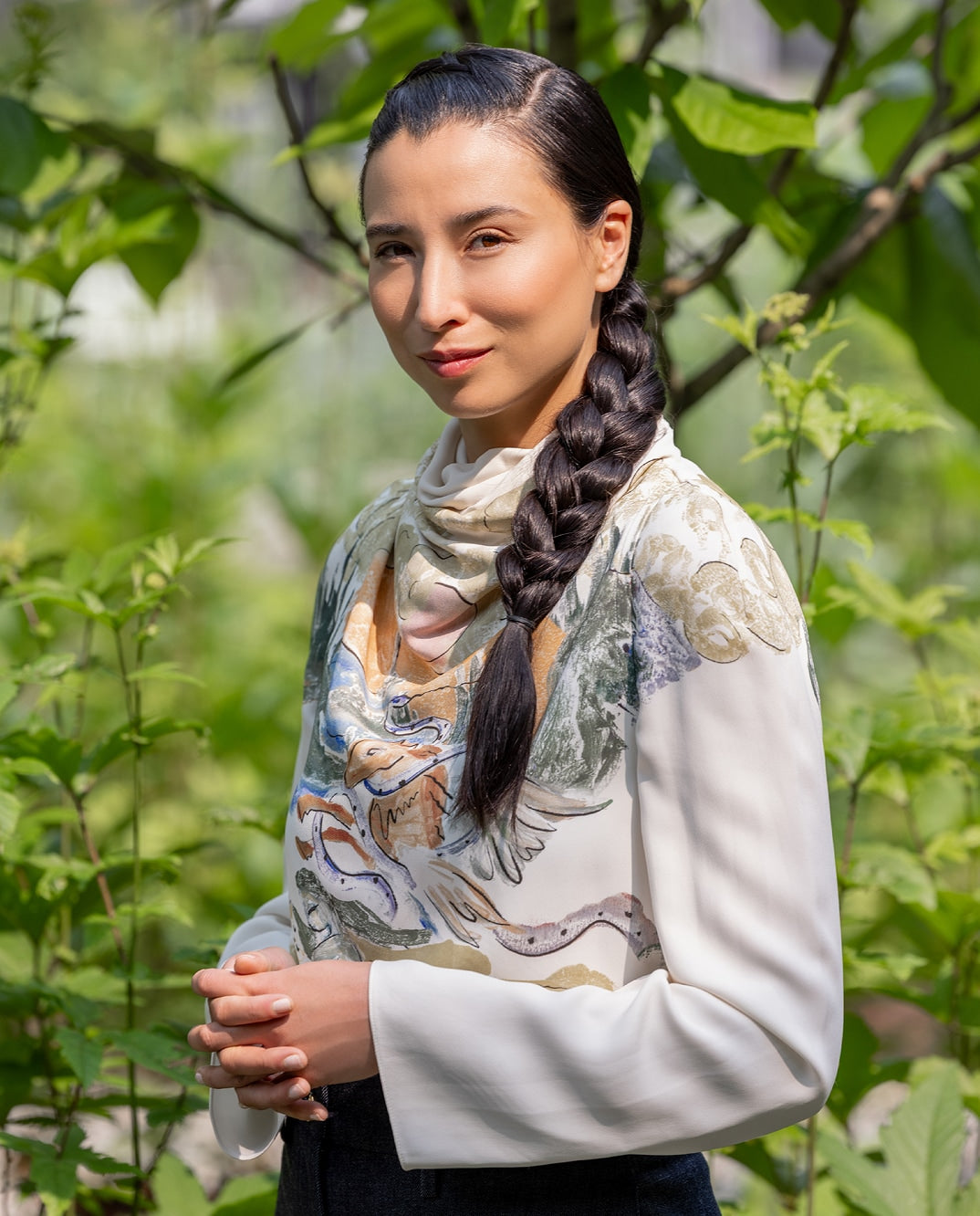
Art director and creative with a background in fashion communication and fashion film production, Paola Nerilli develops projects spanning contemporary art, visual culture and storytelling. After studying in London and spending several years in Milan, she returned to Puglia, where she now collaborates with organisations working across art and hospitality, including Villa Colucci and Studio Cromie. An aristocratic residence nestled in the Valle d'Itria, Villa Colucci has been brought back to life by a group of Danish creatives and now houses a collection of more than six hundred contemporary artworks, becoming a meeting point for art, design, hospitality and everyday life. In this conversation, Paola reflects on a recent journey to Japan, her ongoing search for meaning in imagery, and the importance of slowing down and observing in a world that constantly asks us to produce and consume new content.
You travelled to Japan without any particular expectations. What struck you the most?
Probably how different everything felt from anywhere else I had experienced. I've travelled extensively, including India and Africa, but Japan surprised me with its precision, cleanliness and pervasive sense of perfection. Everything felt incredibly intentional.
What also struck me was the relationship between people. There are strong yet almost invisible social rules. On trains and subways, everyone respects silence, and despite the absence of public bins, cities remain immaculate. It's as if the environment itself encourages you to respect those around you.
In such an orderly place, where did you find a sense of discovery?
The most interesting thing is that I didn't find it in adventure, at least not in the traditional sense. I never felt lost or out of place. Everything worked perfectly.
The discovery came from somewhere else. I usually find beauty in contrast, in imperfect or slightly decayed places. In Japan, however, it was the first time I found beauty within beauty. I thought such evident perfection might become tiring, but the opposite happened. It forced me to look at beauty from an entirely different perspective.
Today, you divide your time between Villa Colucci and the art world. How did this path develop?
It happened almost by chance. The owners of Villa Colucci are friends and were looking for someone to help shape the communication and life of the place. What started as a part-time collaboration gradually became something much more significant.
The villa itself is extraordinary. Located in the Valle d'Itria, it stood abandoned for forty years and now houses more than six hundred works of art. More than a house, it feels like a lived-in museum. Alongside this, I am immersed in the creative atmosphere of Studio Cromie and continue to work on selected creative projects, but only when I feel a genuine connection to what I'm doing.
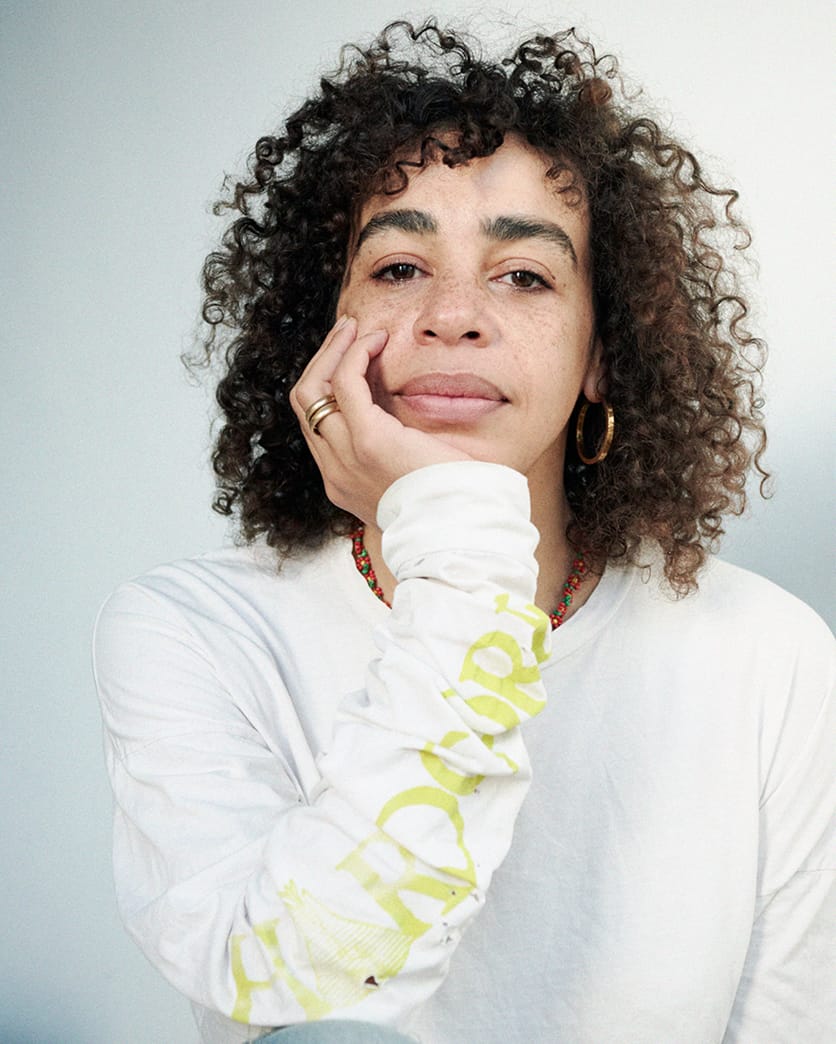
What is your relationship with art today?
It's becoming deeper all the time. I don't consider myself an artist, but I'm an extremely curious person. I enjoy discovering new artists, visiting galleries and understanding the stories behind the works.
Since returning to Puglia, thanks to the villa and the projects I'm involved in, this interest has become a constant presence in my life. I don't know exactly where it will lead me, but I'm certain that art will remain a fundamental part of my journey.
You're also working on a project related to your Venezuelan roots. What does it represent for you?
I'm half Venezuelan and I haven't returned to Venezuela in ten years. I still have relatives there, as well as my grandparents' house. It's a place I continue to feel deeply connected to.
That's why I'm developing a project with a photographer from Puglia focused on the Venezuelan community living here. It's still in its early stages, but it is one of those projects that feels truly personal because it stems from my own story and a desire to create meaningful connections with Venezuelan artists and creatives.
In a world that constantly produces images and content, what still deserves our attention?
It's becoming increasingly rare to come across something that truly makes you stop. We're constantly bombarded with images, content, references and stimuli that all begin to look the same.
That's why today I look for work that carries a story, a meaning, something that leaves a lasting impression. The same applies to social media. I don't feel the need to share constantly. I prefer to do so only when I genuinely have something to say.
I think we're reaching a point of saturation. Perhaps we need to stop for a moment, look more carefully, and then begin again.