

LAYERING
Shop now


Beyond the Rain: all about water-repellent fabrics
Water repellent fabrics sit at the meeting point of material science and modern movement. They respond to shifting weather with ease, creating outerwear that protects without weight. As innovation progresses, this technology has become a staple across transitional dressing, shaping garments that adapt as conditions change.
This guide explores what water repellent means, how it differs from other forms of protection, and how it informs Napapijri’s approach to technical craft across its latest jacket collection.

What is a water-repellent fabric?
Water-repellent fabric is built around one principle. Keep moisture at the surface. A durable water repellent treatment encourages droplets to bead and disperse instead of sinking into the fibres. This surface behaviour preserves the natural feel of the fabric while extending comfort in light to moderate rain.
It is a protective layer that works in tune with the material beneath it. Breathable, flexible, and suited to the pace of everyday life. Water repellent fabrics sit between basic resistance and full waterproofing, offering a functional balance that remains lightweight and easy to wear.
What is the difference between water-resistant and water-repellent?
Each level of weather protection reflects a different design intention.
Water-resistant fabrics rely on a dense weave that slows water penetration. Once saturated, they allow moisture through more easily.
Water repellent fabrics introduce an additional layer of performance. The DWR finish creates a barrier that pushes water away from the surface, increasing the time the fabric stays dry and maintaining a lighter feel against the body.
Waterproof constructions are designed for complete protection, supported by membranes, sealed seams, and certified testing.
Understanding this hierarchy makes the purpose of water repellent design clear. It offers dependable protection for the moments between seasons and the rhythms of daily life, without the commitment of heavy technical gear.
For a deeper look at how water-resistant and waterproof technologies compare, visit the full guide.

Is water repellent enough for winter?
The suitability of water repellent fabrics in winter depends on the climate and layering. In cold, dry conditions, water repellent shells pair cleanly with insulation, allowing warmth to build while maintaining breathability. Snow and short bursts of rain are easily handled, and the fabric retains its soft movement in lower temperatures.
In climates defined by persistent downpours, waterproof protection becomes necessary. Water repellent fabrics can saturate under prolonged exposure, so winter design often blends both approaches. Versatile outer fabrics meet reinforced waterproof details, creating garments shaped for changeable weather.
Water repellent performance excels when winter is marked by cold air, shifting skies, and the need for protection that moves seamlessly through the day.

How Napapijri uses water-repellent materials
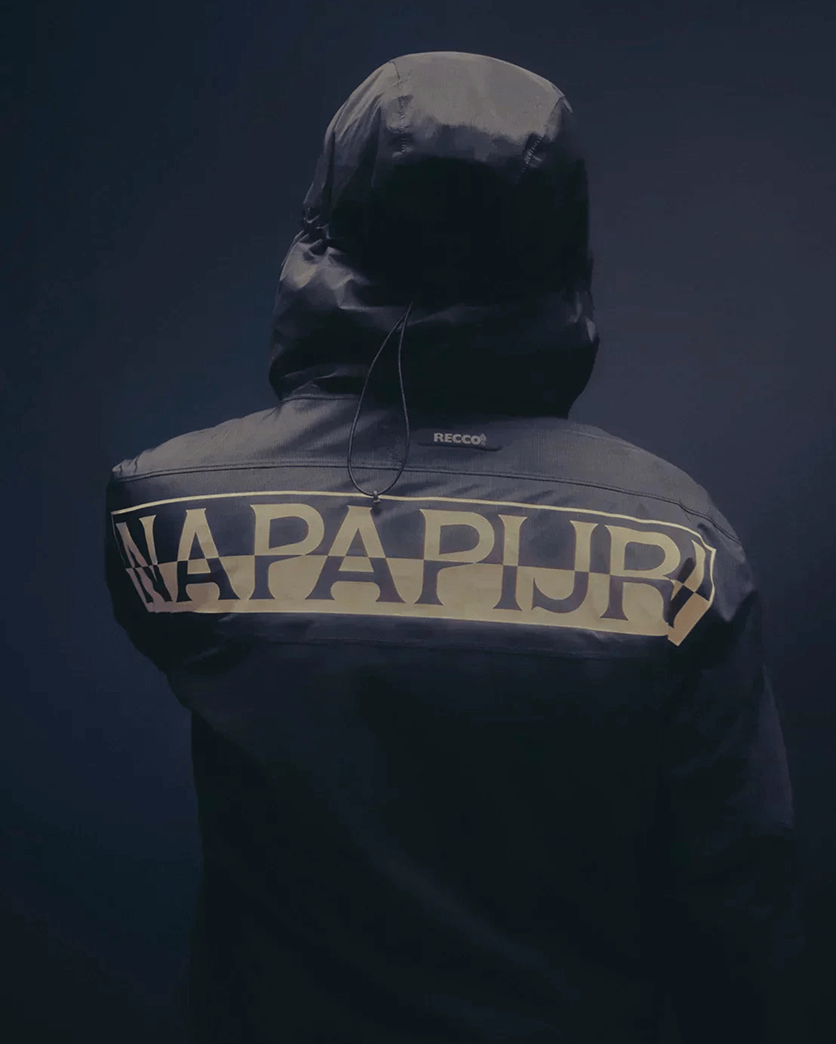
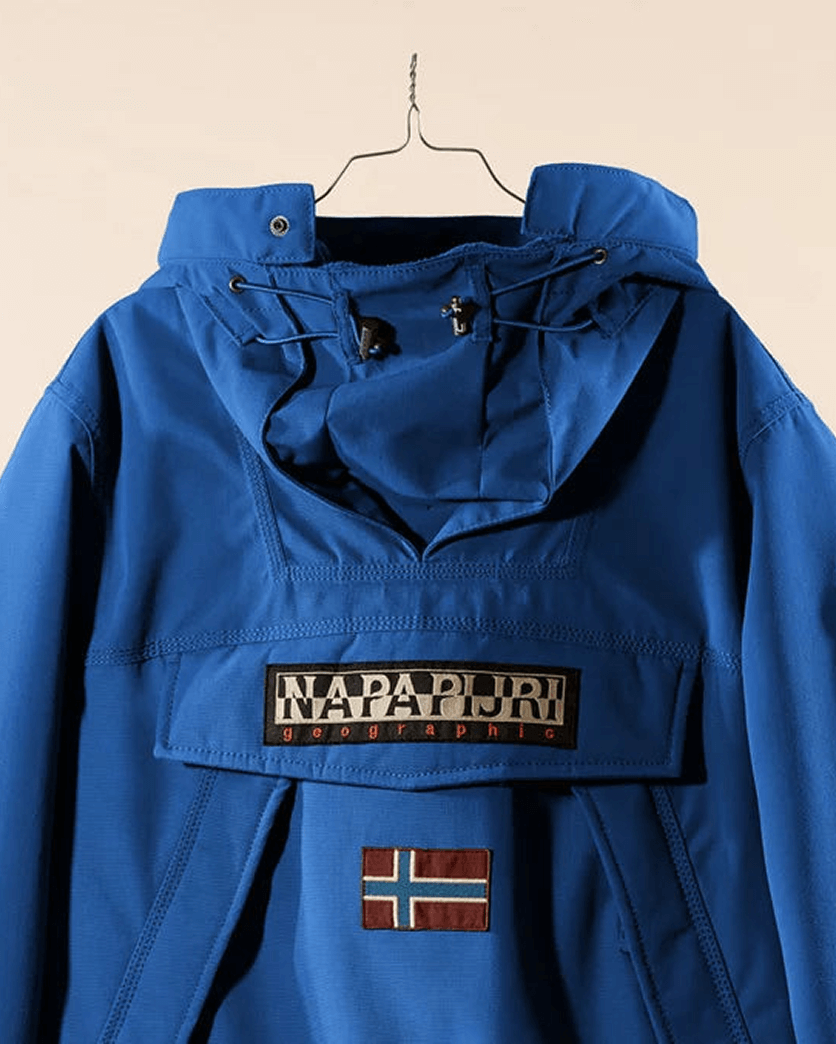
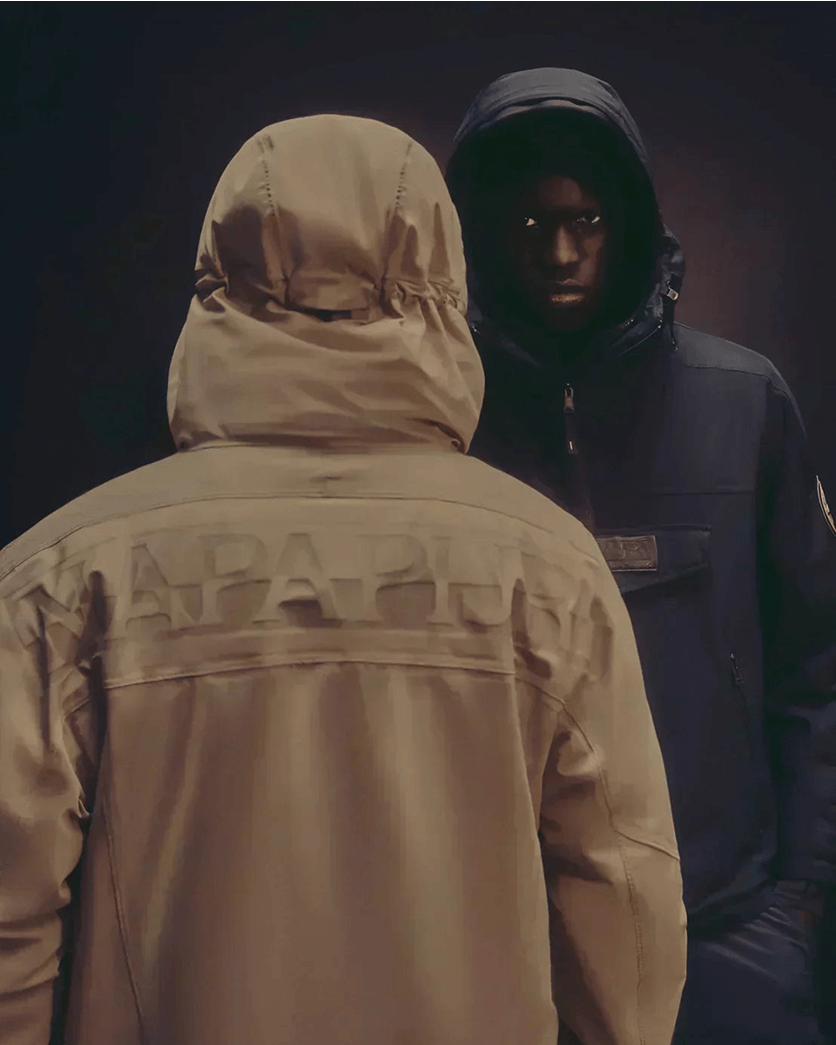
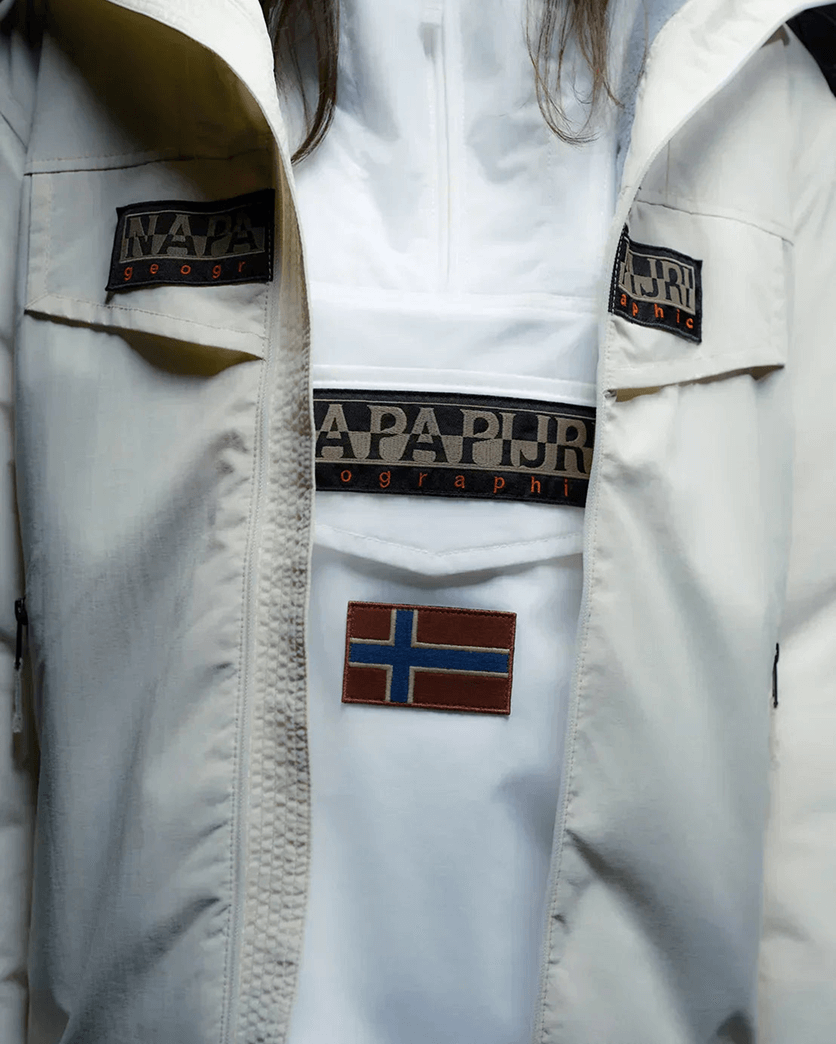
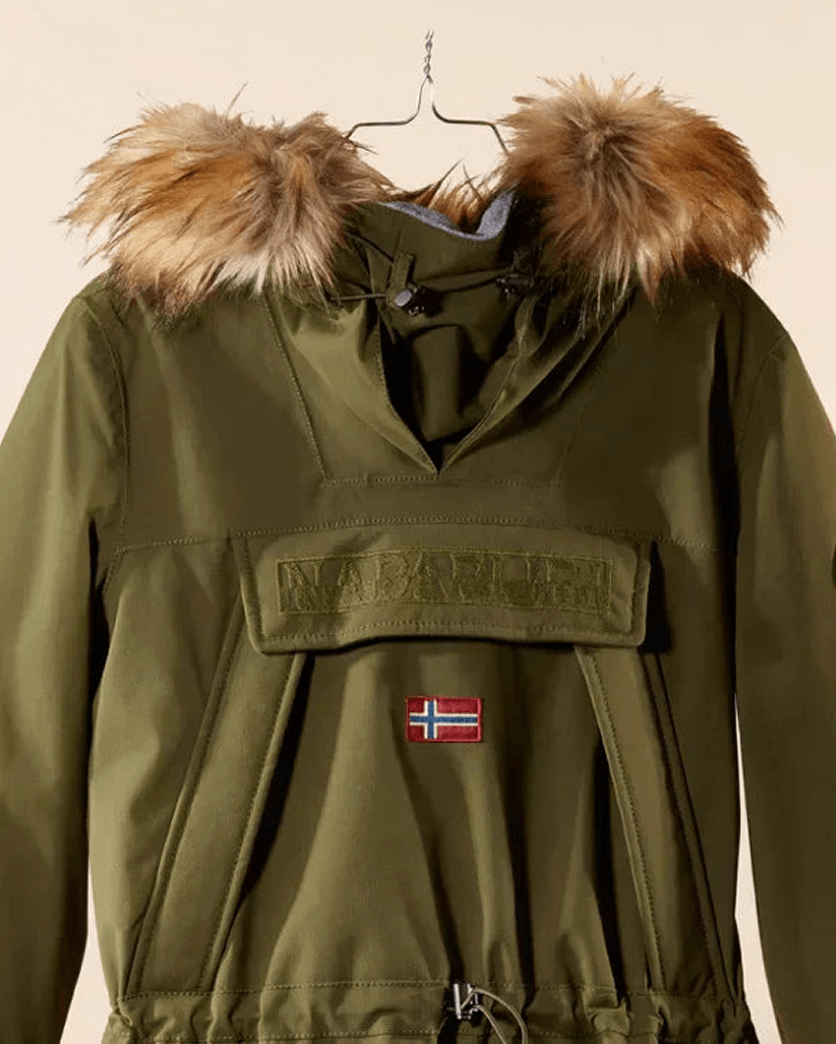
Napapijri’s design ethos is anchored in material innovation. Water repellent technology supports that vision by enhancing performance without obscuring the character of the fabric. Across FW25, softshells and lightweight jackets integrate advanced DWR treatments that work quietly in the background, strengthening the garment while allowing a clean, contemporary silhouette to remain the focus.
These treatments preserve texture, colour, and tactility, ensuring each piece retains its identity even in unpredictable weather. They also align with the brand’s commitment to long-lasting design, selecting finishes that maintain function over time and support mindful material choices.
Within the jacket collection, water repellent surfaces help define the balance between outdoor heritage and modern urban movement. Protection becomes part of the garment’s architecture, not an afterthought. The result is outerwear that reacts naturally to real conditions and reflects Napapijri’s ongoing exploration of form, function, and responsible innovation.
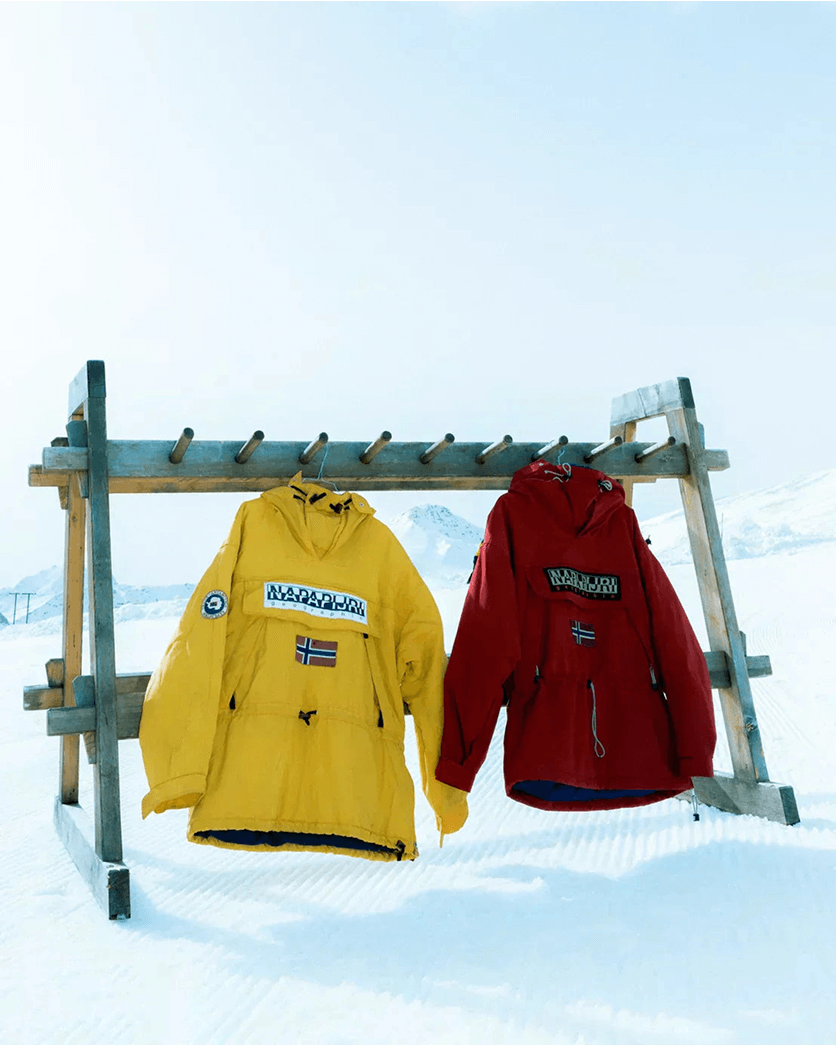
For iconic pieces such as the Rainforest silhouette, the approach to weather protection has evolved over time, blending performance, texture, and ease. A detailed look at this evolution is explored in the Rainforest Jacket product guide.
Water repellent fabrics continue to evolve, and Napapijri remains closely connected to that progression. The technology deepens the relationship between craft and climate, creating garments shaped for the world as it is lived.
Explore the full jacket collection and see how water repellent design shapes the season’s silhouettes.