The Napapijri Bulletin is a monthly editorial project that tells the extraordinary stories of extraordinary people. Cultural adventurers, friends of the brand, modern explorers: each month, The Bulletin celebrates those who dare to abandon the known maps to chart unexpected territories.
Two Men and the Sea
Different roles, same horizon, one core understanding: the sea’s unbridled power can never be controlled, only understood.
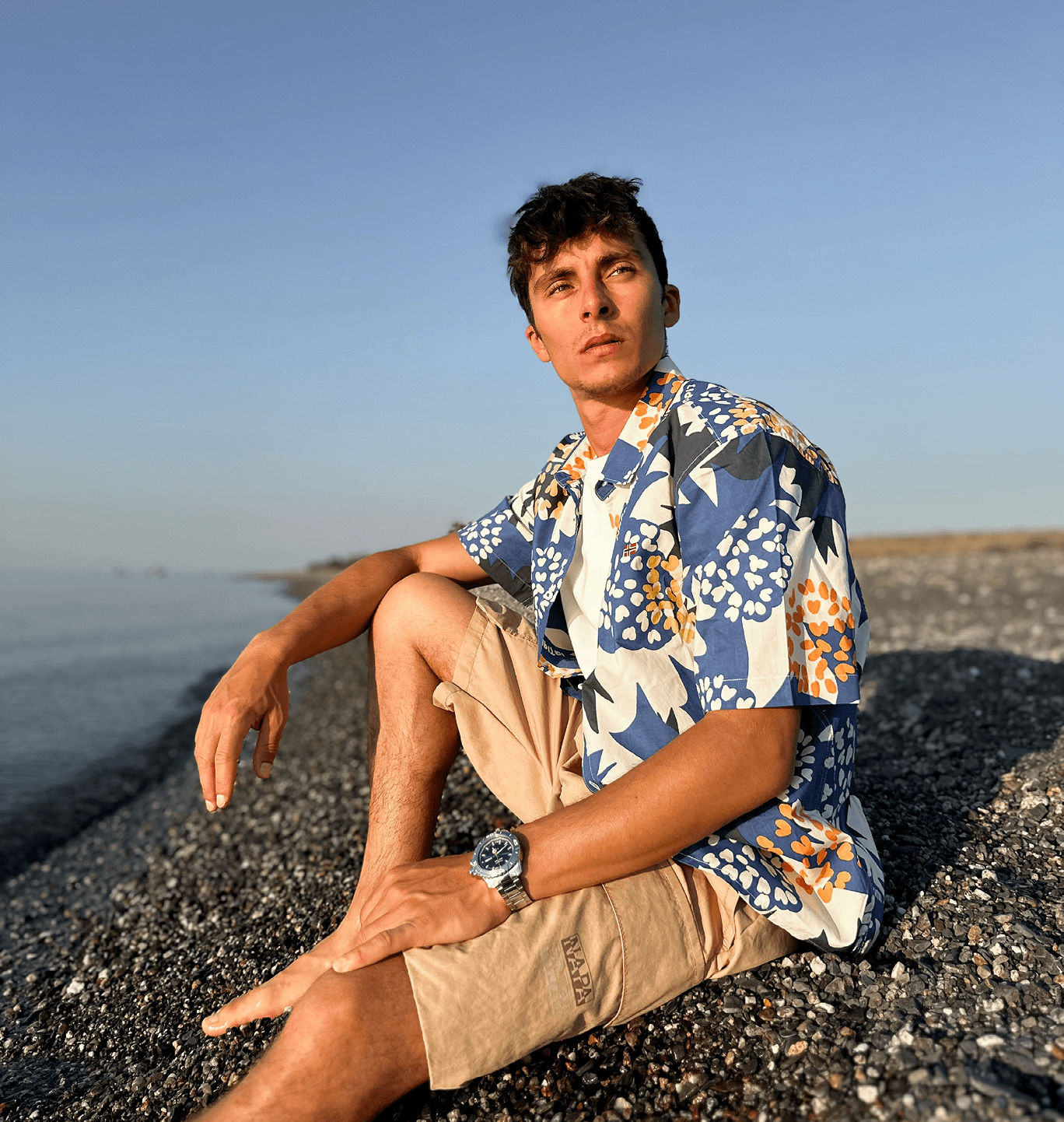
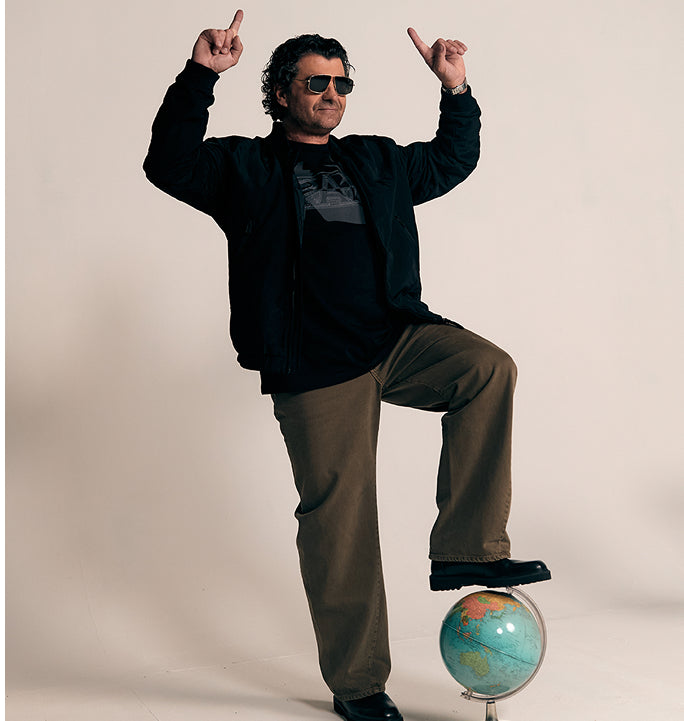
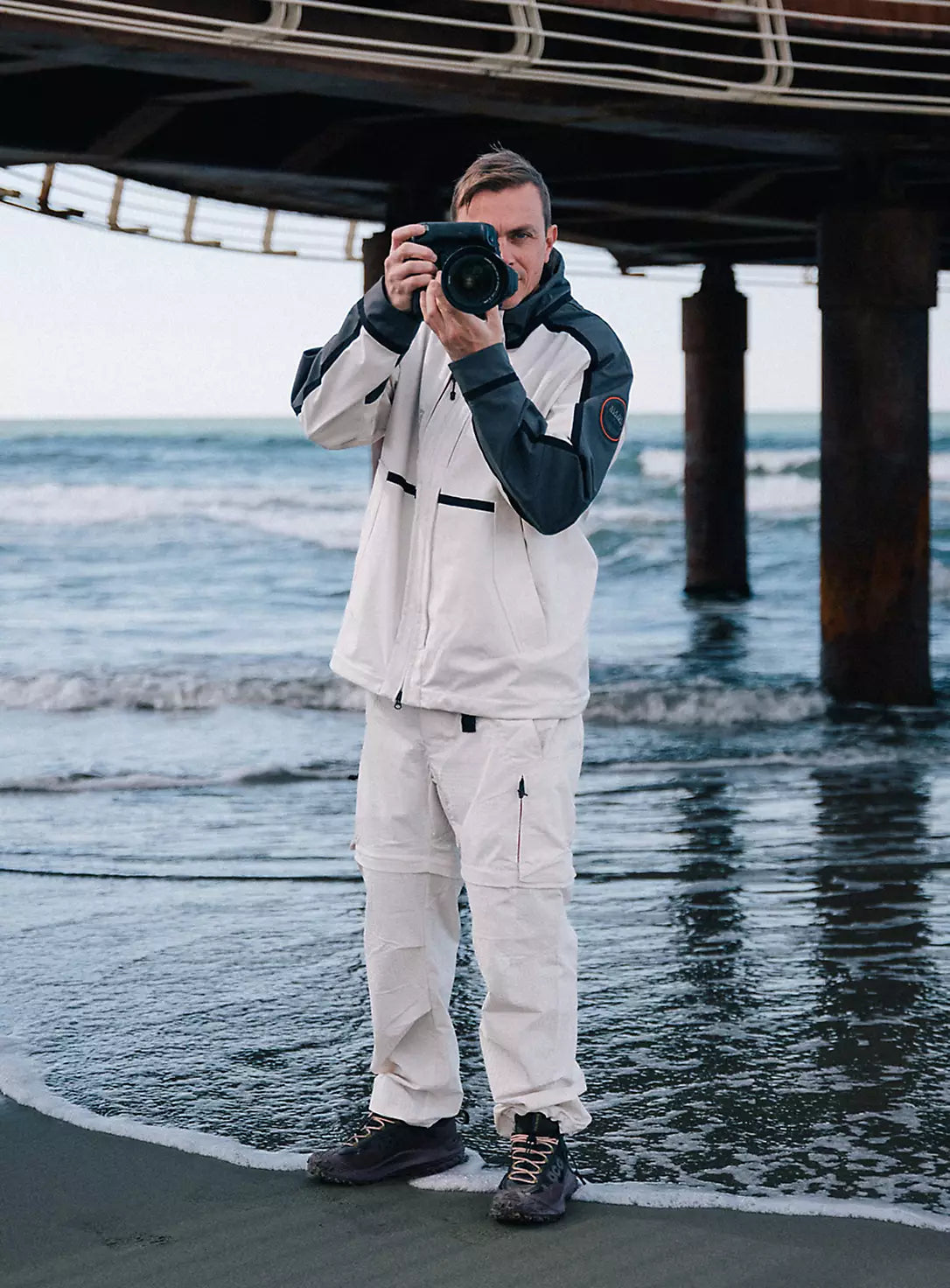
Both Giacomo Basagni and Federico Fiorillo work for Solaris Yachts, one of Italy’s most prestigious sailboat shipyards. Giacomo leads events and communication for Solaris Yachts, shaping the experience around sailing through the eyes of a sailor. He represents the shared dimension of the sea: the people, the stories, the moments that turn it into a way of life. His motto? “Send your kids to sailing school!”. Federico, on the other hand, works close to the boats, supporting owners through every stage of navigation. He’s a man of few words, but when he speaks, he goes straight to the point: respect, awareness, intelligence.
We met them at the Solaris Cup 2026 in Porto Rotondo, Sardinia, where Napapijri joined as event partner, to talk about experience, memory, and what it means to live the sea.
How did your relationship with the sea begin?
GB: It started very early, thanks to my parents. Sailing school, then regattas, then years of living the sea in different ways: racing, cruising, sharing it with friends. Over time, it stopped being just a passion and became something more.
Today, I still don’t see it as something you do, but something you live. And that’s exactly what connects Solaris to Napapijri: the idea that experiences come first, and they stay with you.
FF: My first love was windsurf. In many ways, it still is. I’ve travelled the world for it, lived abroad teaching it. As for boats, I started from sails: cutting them, observing them, trying to understand how the wind moved through them. There isn’t a real school for this. You learn by doing, by studying boats, and by building a relationship between yourself and the sea.
What does it mean to really know the sea?
GB: The sea is made of two things at once: extreme technique and something very ancient. On one side, there’s engineering, materials, precision. On the other, there’s a knowledge that comes from far away, from generations of sailors who have come before us and whose rules, no matter how old, still guide the relationship between men and sea.
That same balance is something we also recognise in Napapijri innovation moving forward, but always anchored to a deeper and more meaningful heritage
FF: Knowing the sea means knowing your limits and, to do that, it takes intelligence. You’ll meet all kinds of people at sea: rich, poor, likeable, unlikeable. But never stupid. You need to be smart to sail. Boats are complex, but not complicated. It takes focus, precision, humility. Technology only goes as far as the sea allows.
How did your relationship with the sea begin?
GB: It started very early, thanks to my parents. Sailing school, then regattas, then years of living the sea in different ways: racing, cruising, sharing it with friends. Over time, it stopped being just a passion and became something more.
Today, I still don’t see it as something you do, but something you live. And that’s exactly what connects Solaris to Napapijri: the idea that experiences come first, and they stay with you.
FF: My first love was windsurf. In many ways, it still is. I’ve travelled the world for it, lived abroad teaching it. As for boats, I started from sails: cutting them, observing them, trying to understand how the wind moved through them. There isn’t a real school for this. You learn by doing, by studying boats, and by building a relationship between yourself and the sea.
What does it mean to really know the sea?
GB: The sea is made of two things at once: extreme technique and something very ancient. On one side, there’s engineering, materials, precision. On the other, there’s a knowledge that comes from far away, from generations of sailors who have come before us and whose rules, no matter how old, still guide the relationship between men and sea.
That same balance is something we also recognise in Napapijri innovation moving forward, but always anchored to a deeper and more meaningful heritage
FF: Knowing the sea means knowing your limits and, to do that, it takes intelligence. You’ll meet all kinds of people at sea: rich, poor, likeable, unlikeable. But never stupid. You need to be smart to sail. Boats are complex, but not complicated. It takes focus, precision, humility. Technology only goes as far as the sea allows.

You both work with people as much as with boats. What is that relationship like?
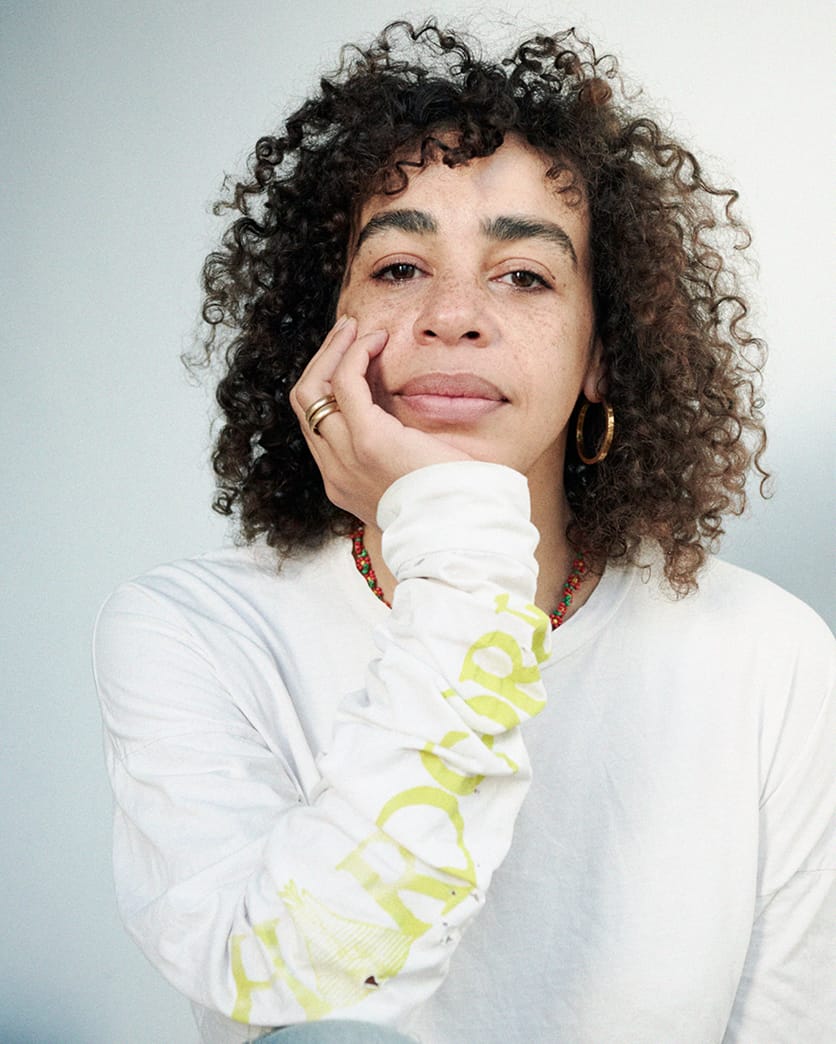
GB: Solaris customers don’t buy boats just to own a product. They are spaces for families to live, to come together and share experiences. People grow up on them, they build memories that stay long after the journey ends. It’s not about what you buy, but about what stays with you. A boat, like a jacket, becomes part of your story.
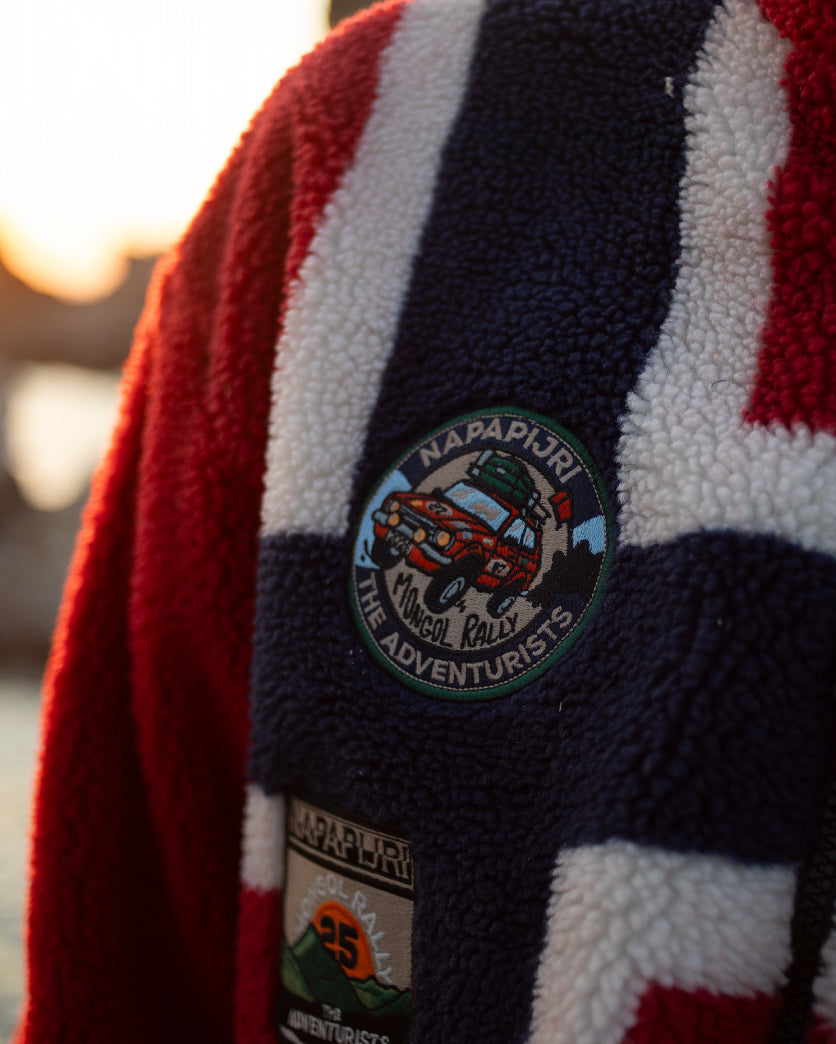
FF: Before a navigation, you choose each other. Sometimes, you leave each other. There has to be trust. You work together, solve problems together. When accompanying clients, my job is to test the boat, identify issues, and make them aware that there will always be some degree of uncertainty.
You get to know each other closely sharing space and handling the first transfer together. It becomes a process of discovery and communication.
What does courage mean in your world?
GB: For me, it’s about responsibility. Creating an experience means taking care of people, of expectations, of everything that unfolds around it. It is grounded approach to exploration, where courage is not about extremes, but about being present, prepared, and aware of what you’re experiencing.
FF: I wouldn’t call it courage. I leave that to people who save lives by putting their own lives on the line. I prefer awareness: of knowing the risks, understanding your limits, and acting accordingly. The sea teaches us what it means to be away from the protection of social and cultural constructs: in this natural state men learn fear, hope, and acceptance.
What always remains unpredictable?
GB: No matter how much you plan, every experience at sea becomes unique. Every boat tells a different story, because every person lives it in their own way.
That’s what creates meaning: the unexpected, the part you cannot control. It’s the same principle that connects Solaris and Napapijri: what matters is not just the journey itself, but the memory you take away from it.
FF: The route is never really yours. You can have maps, you can have a plan, but ultimately the wind decides how you get where you want to go.
At sea, control is a necessary and negotiable balance between intention and conditions.
What does courage mean in your world?
GB: For me, it’s about responsibility. Creating an experience means taking care of people, of expectations, of everything that unfolds around it. It is grounded approach to exploration, where courage is not about extremes, but about being present, prepared, and aware of what you’re experiencing.
FF: I wouldn’t call it courage. I leave that to people who save lives by putting their own lives on the line. I prefer awareness: of knowing the risks, understanding your limits, and acting accordingly. The sea teaches us what it means to be away from the protection of social and cultural constructs: in this natural state men learn fear, hope, and acceptance.
What always remains unpredictable?
GB: No matter how much you plan, every experience at sea becomes unique. Every boat tells a different story, because every person lives it in their own way.
That’s what creates meaning: the unexpected, the part you cannot control. It’s the same principle that connects Solaris and Napapijri: what matters is not just the journey itself, but the memory you take away from it.
FF: The route is never really yours. You can have maps, you can have a plan, but ultimately the wind decides how you get where you want to go.
At sea, control is a necessary and negotiable balance between intention and conditions.