

Napapijri x Moto Guzzi
Shop now


The Après Ski Style Playbook
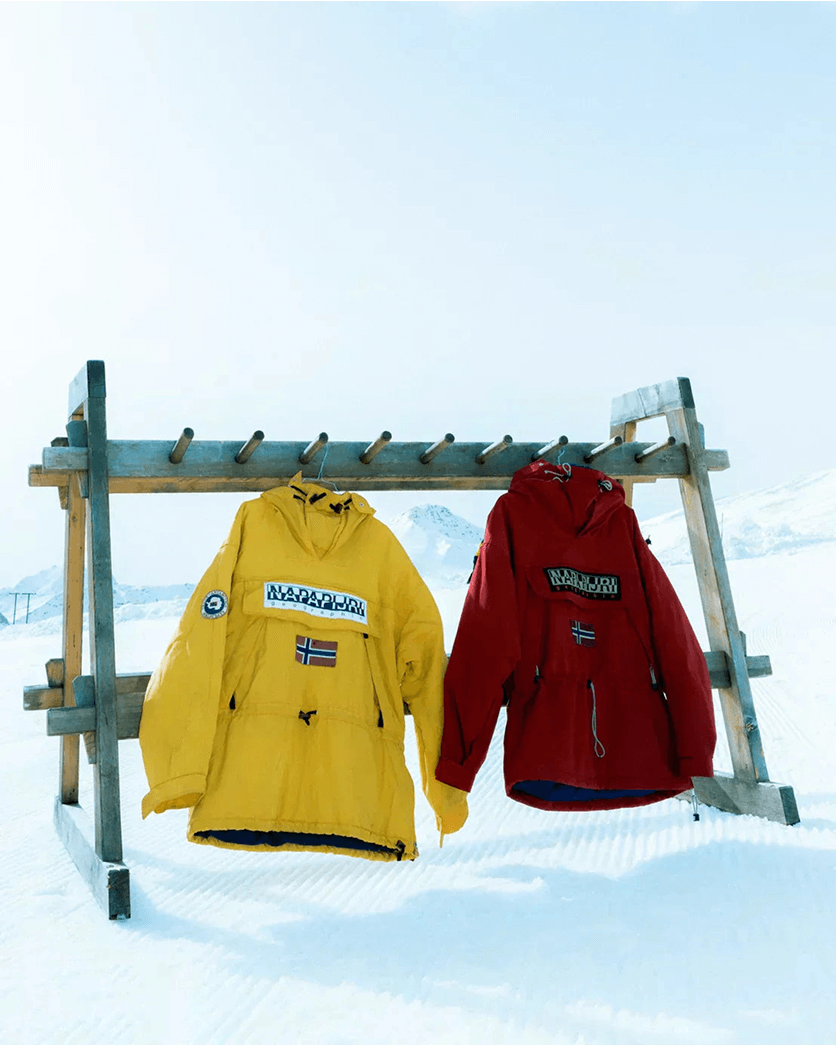
Après-ski has always been about more than what happens after the last run. It is a social ritual shaped by altitude, architecture, and atmosphere, where technical garments soften into leisurewear, and alpine references take on a more relaxed form.
The Napapijri après-ski playbook explores après ski style through a fashion-first lens, focusing on how comfort, design, and cultural context come together beyond the slopes. Rooted in mountain heritage and refined through contemporary design, Napapijri creates styles made for these in-between moments.
What is après-ski style?
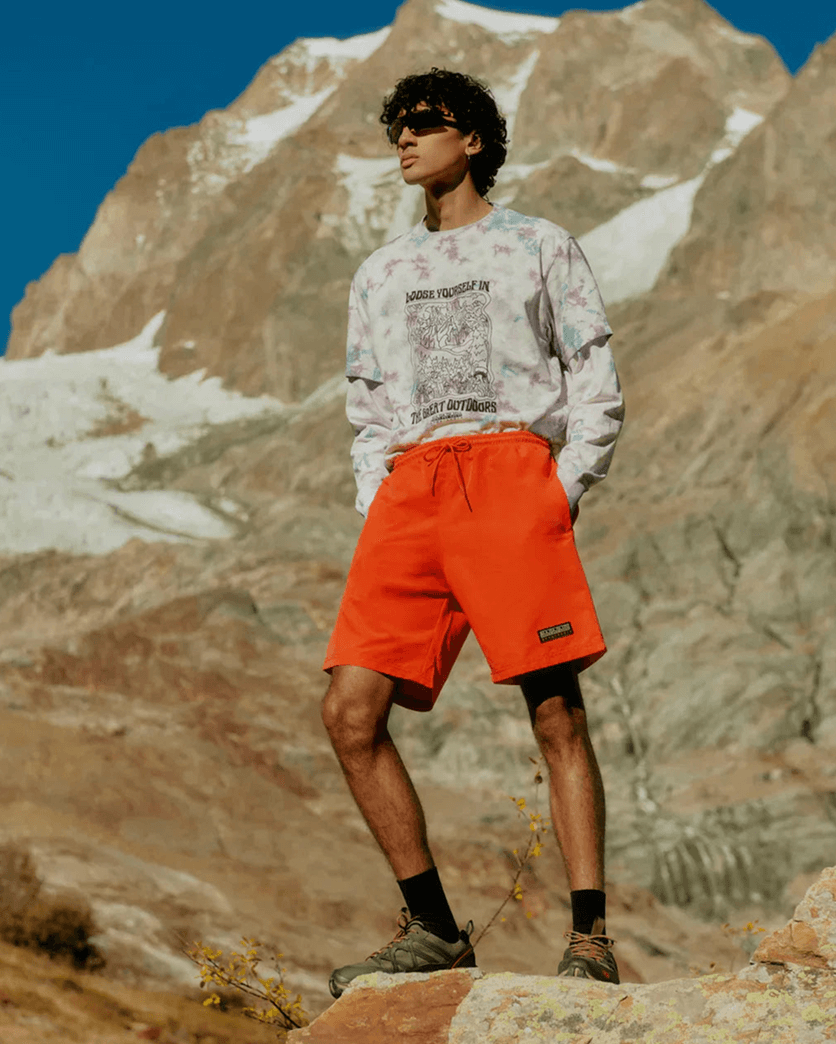
Après ski style exists in the space between performance and pause. It draws from the visual codes of alpine sport, insulation, protection, and layered construction, but reinterprets them for social settings where movement slows and time stretches out. Resort villages, chalets, cafés, and late afternoons all influence how après ski looks and feels.
Unlike ski wear, which is driven by technical precision, après ski clothing allows for ease and adaptability. Warmth remains essential, but so does softness, proportion, and tactility. The result is a style defined by contrast, functional elements paired with relaxed silhouettes, and outdoor references translated into everyday wear. It reflects a shift from activity to atmosphere, where clothing supports the rhythm of off-slope life rather than the demands of the mountain.
Key après-ski pieces
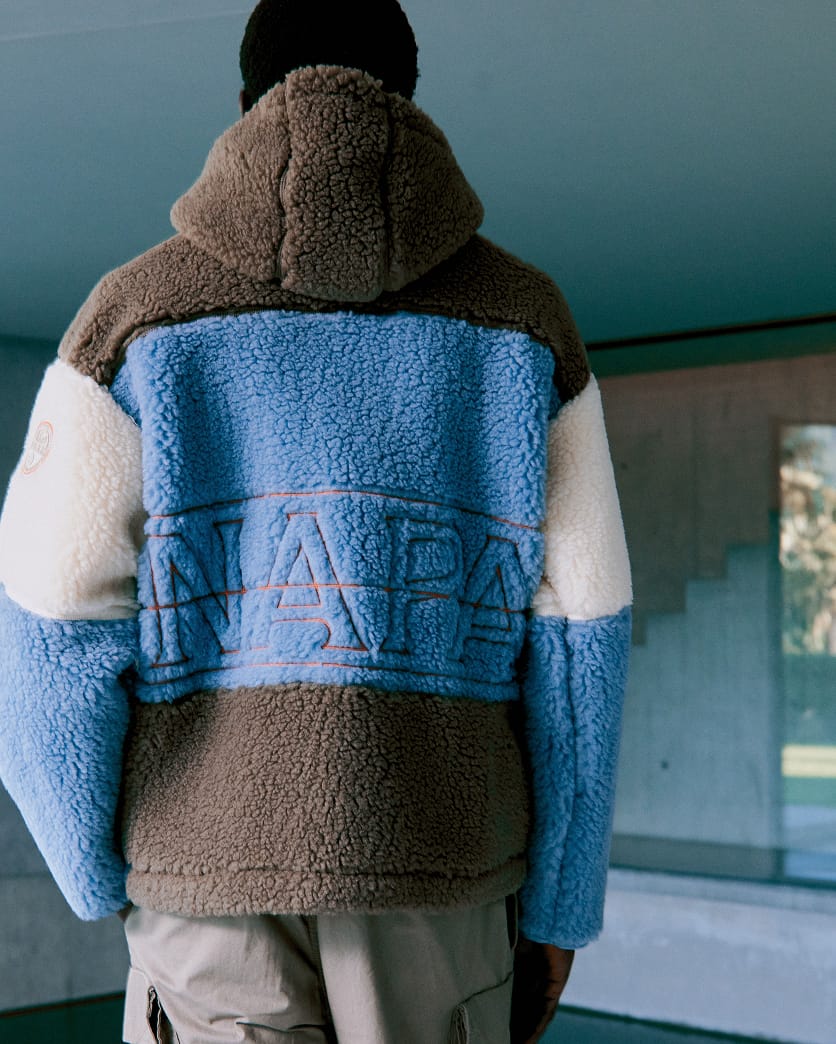
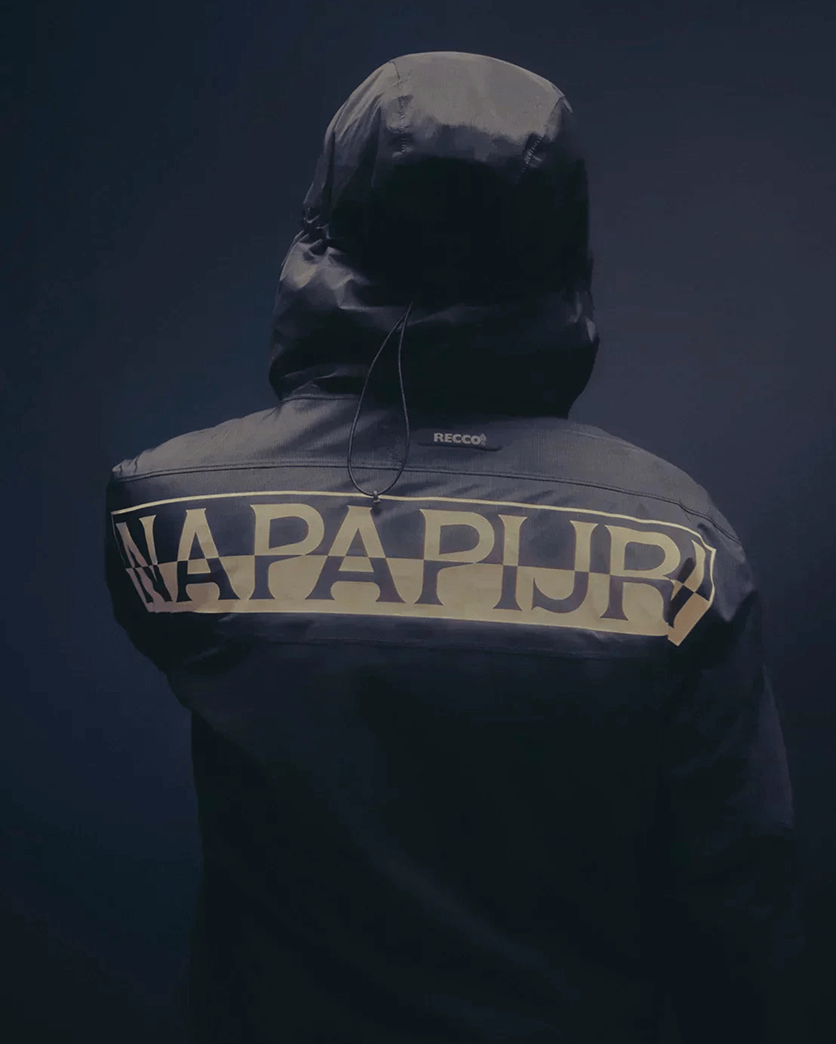
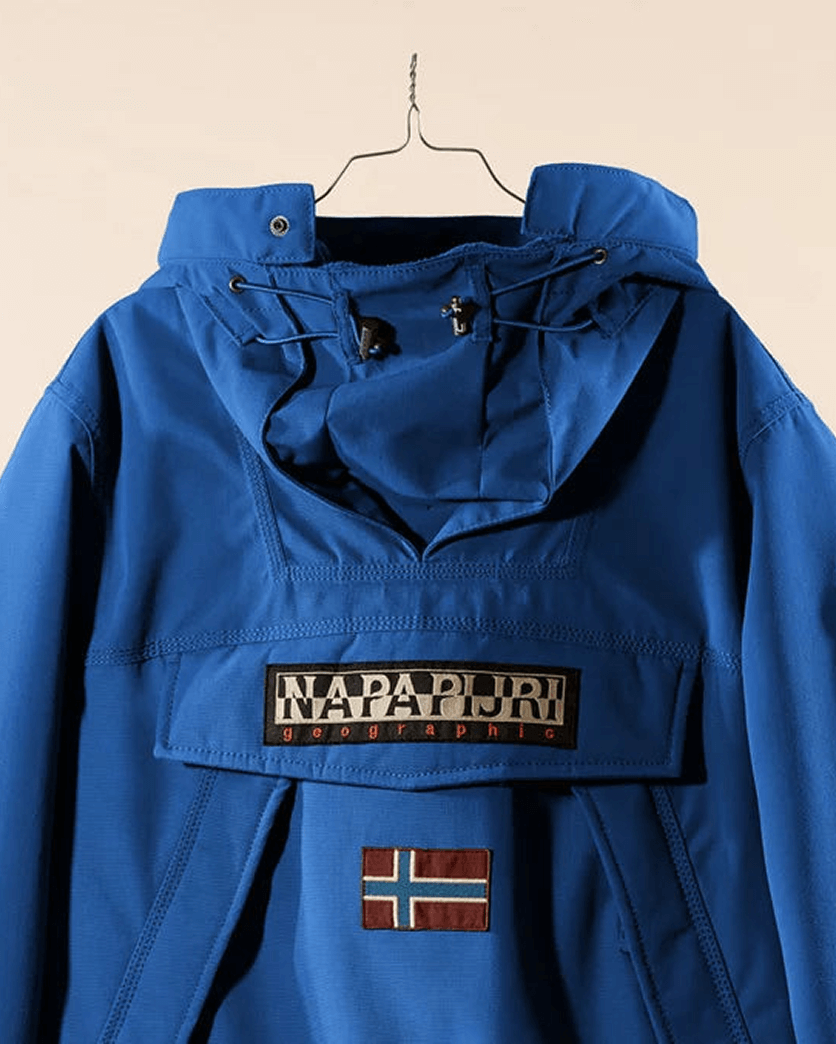
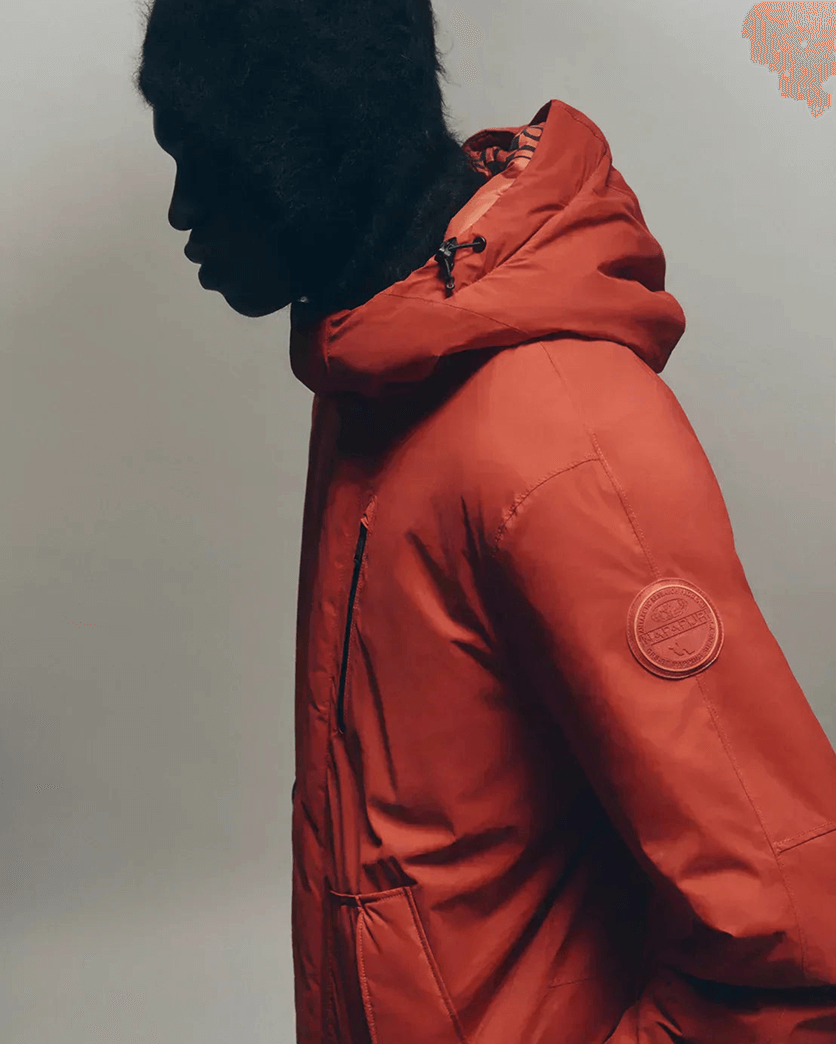
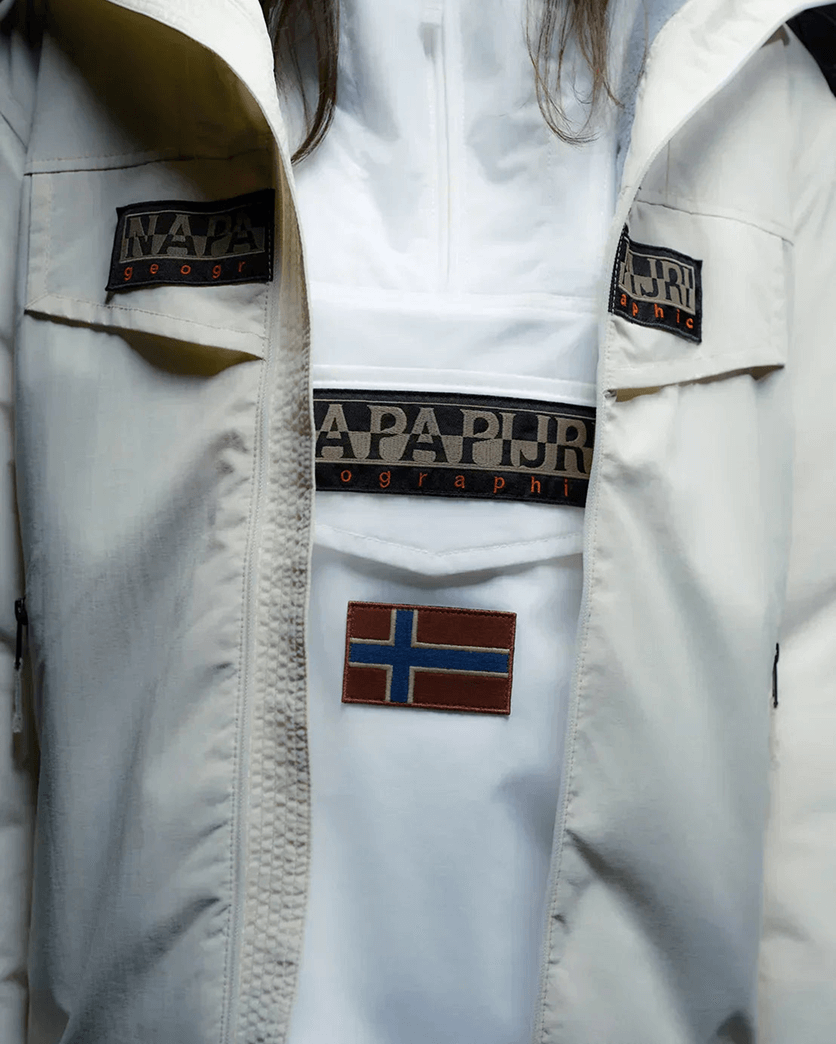
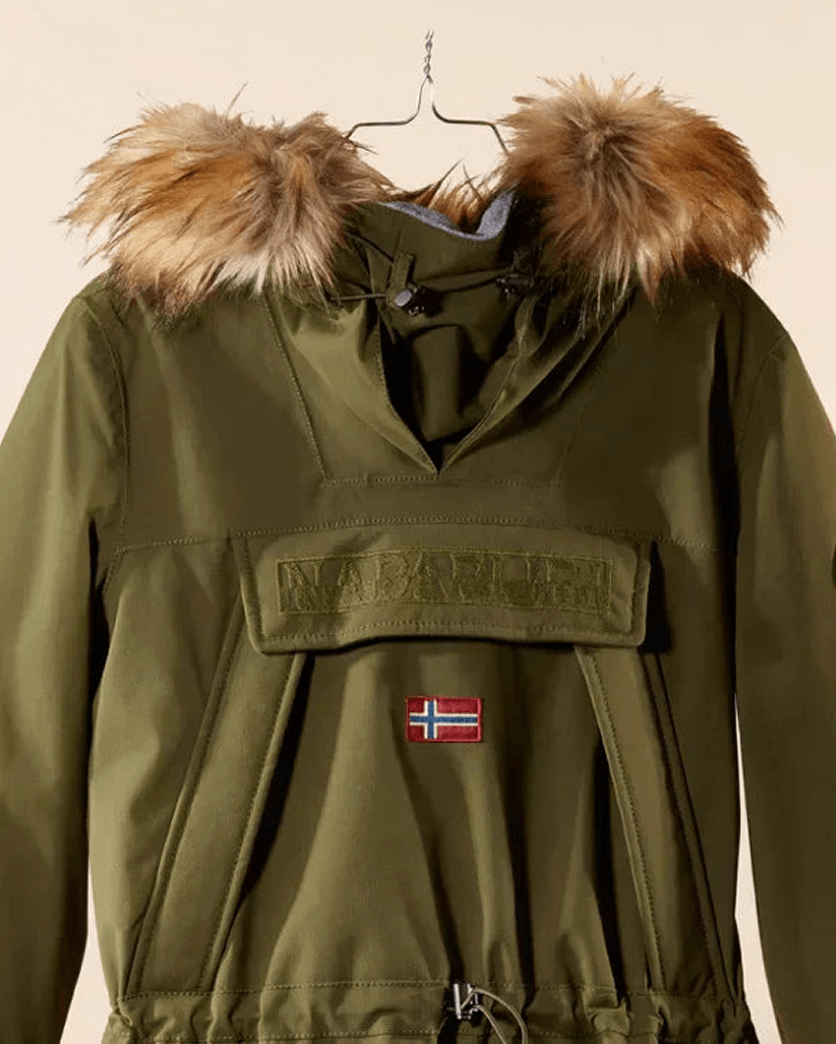
A strong après ski wardrobe is built around versatility. Outerwear anchors the look, offering insulation without rigidity. Puffers, parkas, and anoraks work best when they balance warmth with clean lines, allowing them to move easily between outdoor and indoor settings. Materials play a quiet but important role here, with recycled padding, textured shells, and matte finishes adding depth without distraction.
Mid-layers are no longer hidden elements. Fleeces, softshells, and lightweight knits are designed to stand on their own, creating outfits that feel complete once outer layers are removed. This reflects the fluid nature of après ski dressing, where spaces change but the outfit does not need to.
Bottoms follow the same principle. Relaxed trousers, joggers, and easy silhouettes prioritise comfort while maintaining structure. The emphasis is on wearability across the day, supporting movement through resort streets, shared tables, and unhurried evenings.
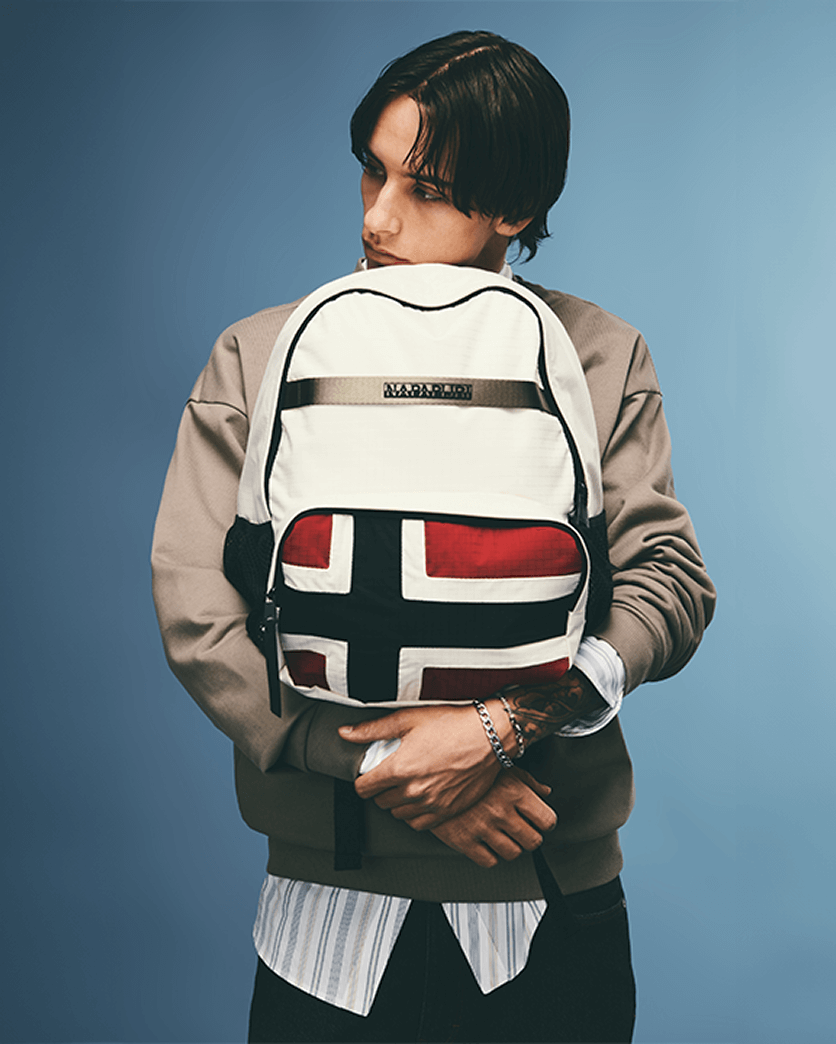
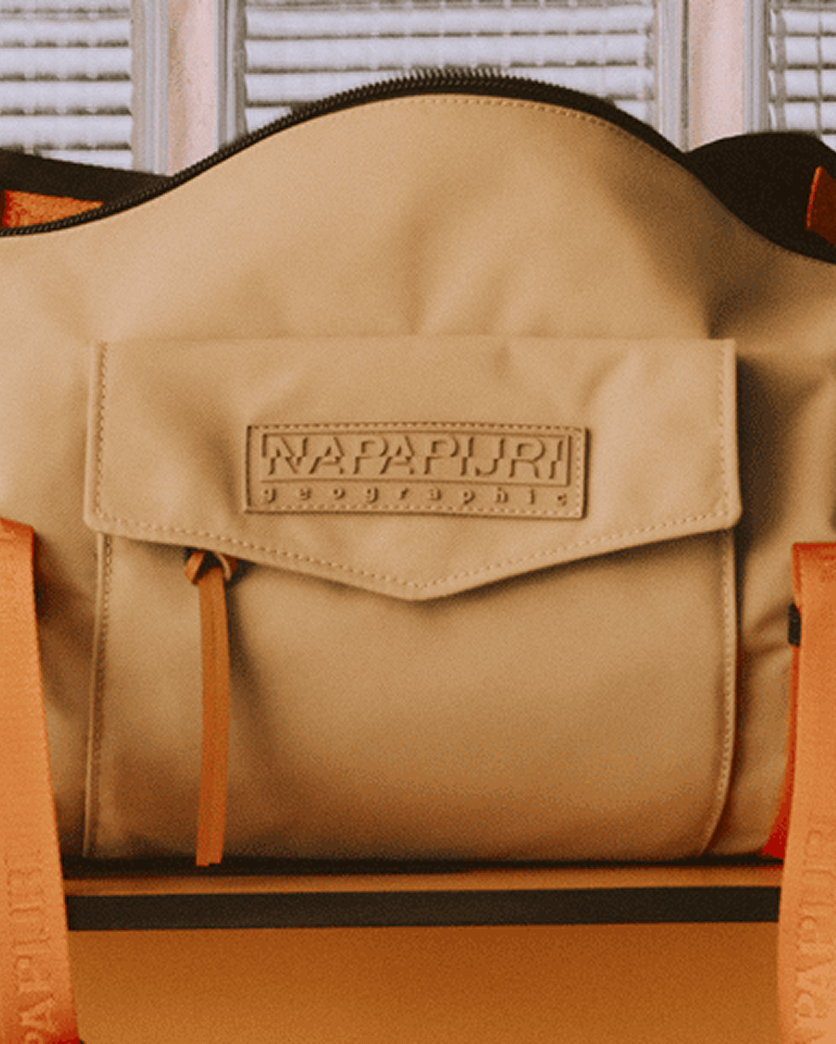
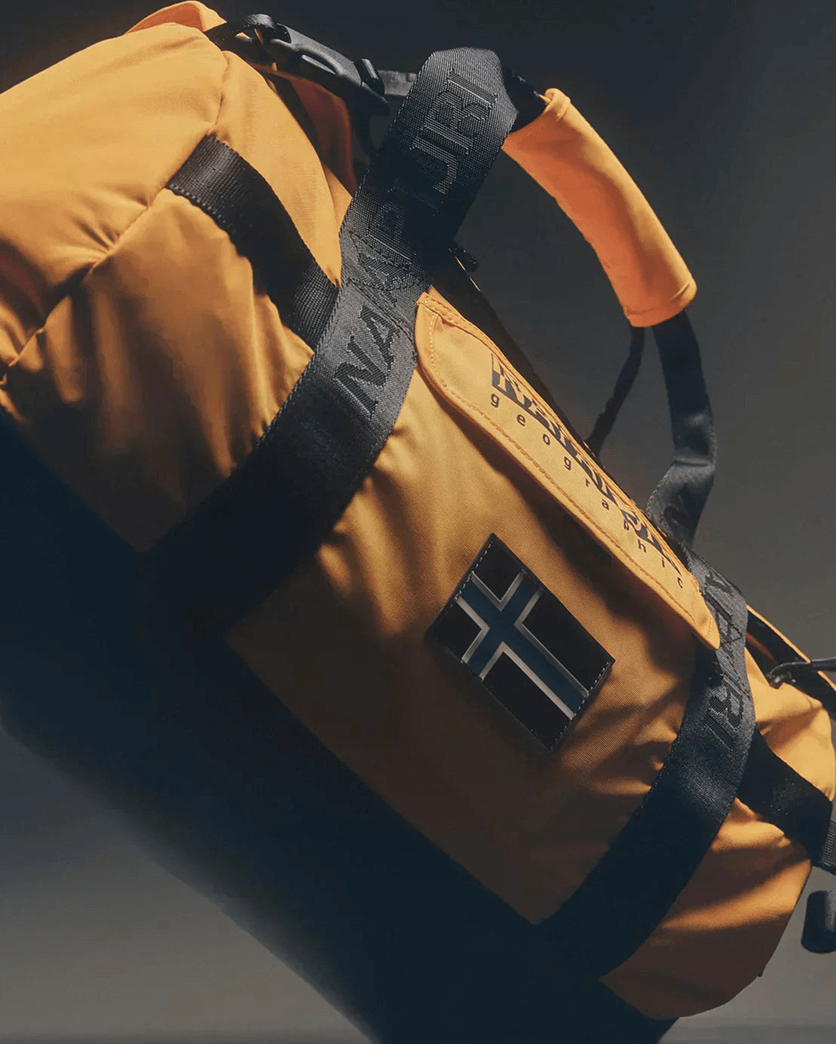
Accessories for both men and women bring balance rather than excess. Beanies, scarves, and compact bags add warmth and utility while reinforcing the alpine mood. They are practical choices that quietly signal place and season, without overt statement.

How to layer for comfort and style
Layering remains central to après ski dressing, but the intention differs from slope-focused systems. The goal is not maximum protection, but adaptable comfort that works across environments.
A lightweight base layer sets the foundation. Soft jerseys or fine knits provide warmth without bulk, creating a smooth starting point that feels comfortable indoors. Breathable fabrics allow the body to regulate temperature naturally as settings change.
Mid-layers introduce texture and personality. Fleeces with considered cuts, zip-through layers with subtle detailing, or soft sweaters designed for ease all contribute to a look that feels intentional rather than purely functional.
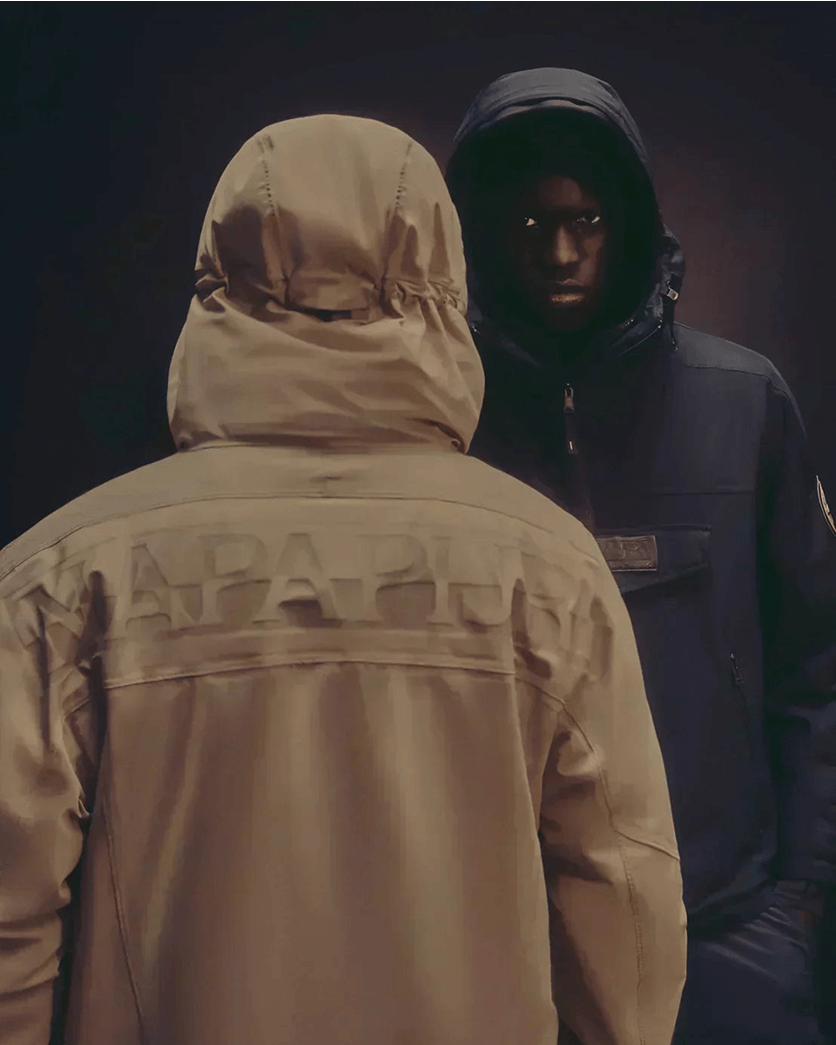
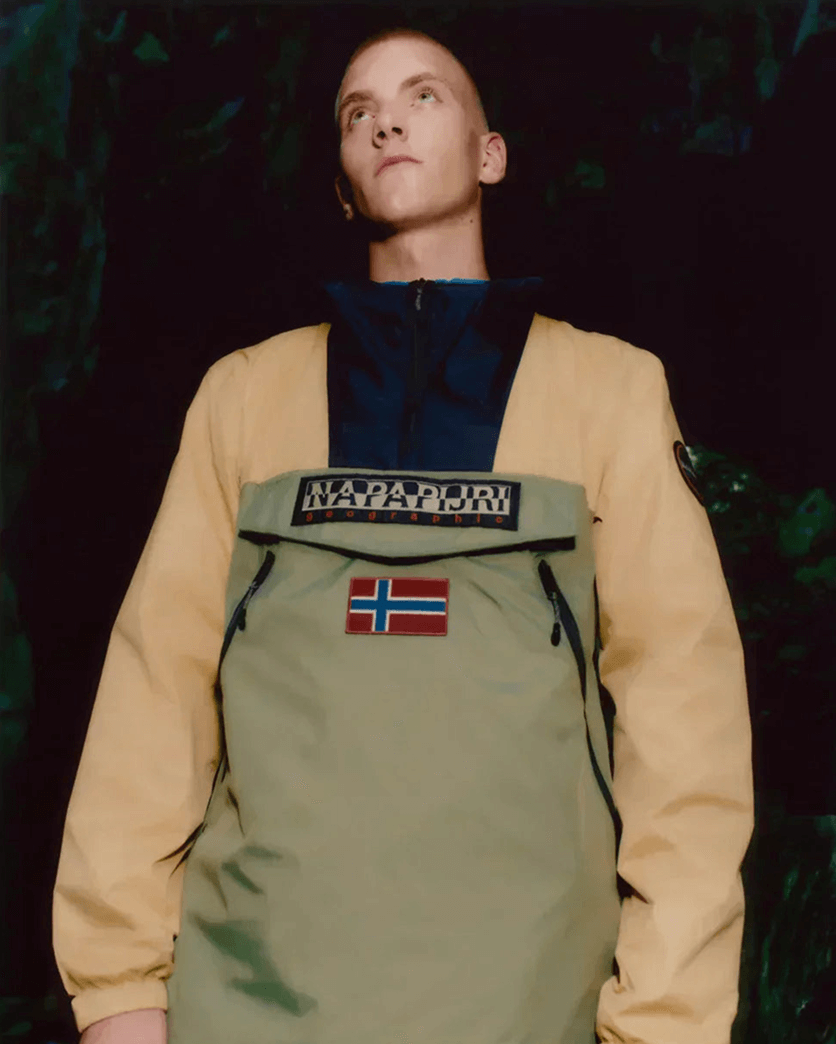
Outer layers should feel optional rather than dominant. Insulated jackets and anoraks are designed to be worn open, draped, or removed entirely without disrupting the outfit beneath. This flexibility is essential to après ski style, which is shaped by movement between spaces rather than prolonged exposure to the elements.
Napapijri après-ski essentials
Napapijri’s approach to après ski clothing reflects its alpine roots and lifestyle focus. Designs draw from archival references and technical expertise but are refined for everyday wear. Insulation is efficient without excess, silhouettes are relaxed but confident, and materials are selected for durability as well as comfort.
Each piece is designed to transition naturally. Outerwear retains warmth while allowing ease. Mid-layers are built to stand alone. Accessories are purposeful, reinforcing the connection between travel, exploration, and leisure.
Rather than replicating ski wear, these essentials interpret the mountain environment through a fashion lens. They are made for moments of pause, for social spaces shaped by cold air outside and warmth within. This is après ski style as lived experience, defined not by performance, but by atmosphere, rhythm, and time spent together.
For a deeper understanding of the culture behind the clothing, explore the origins of après ski culture and how it continues to shape social life beyond the slopes. For a more technical perspective, what to wear for skiing offers a clear guide to performance-led layering designed specifically for time on the piste. And for those curious about functionality, how Napapijri jackets perform on the slopes looks more closely at insulation, construction, and suitability in alpine conditions. Together, these guides offer a complete view of mountain-inspired style, from technical precision to relaxed, off-slope expression.