SS26 WhoAreYou?
Discover more
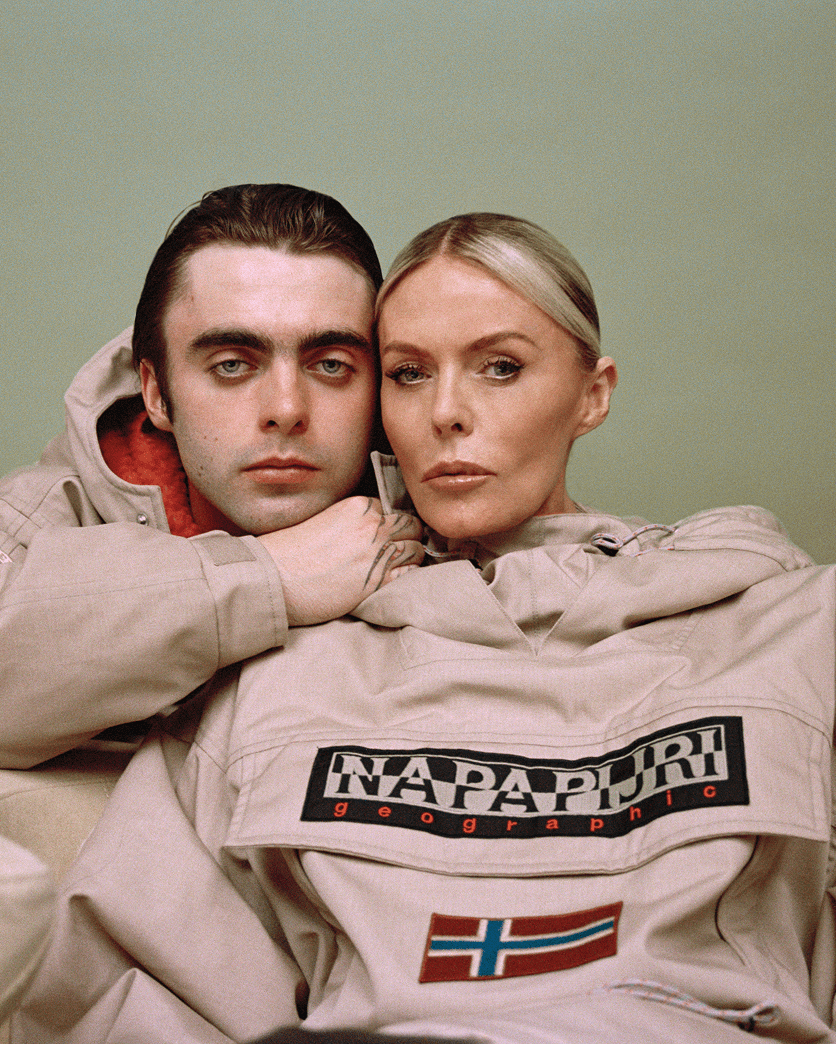
This month, the Napapijri Bulletin changes its format to tell the story of the Spring/Summer 2026 WHOAREYOU? campaign. Once a week, we will feature two of its protagonists, opening up conversations that explore the values at the heart of our brand.
Each profile becomes a meeting point: the same questions approached from different angles, the same themes refracted through distinct experiences, uncovering the unexpected connections that emerge from difference.
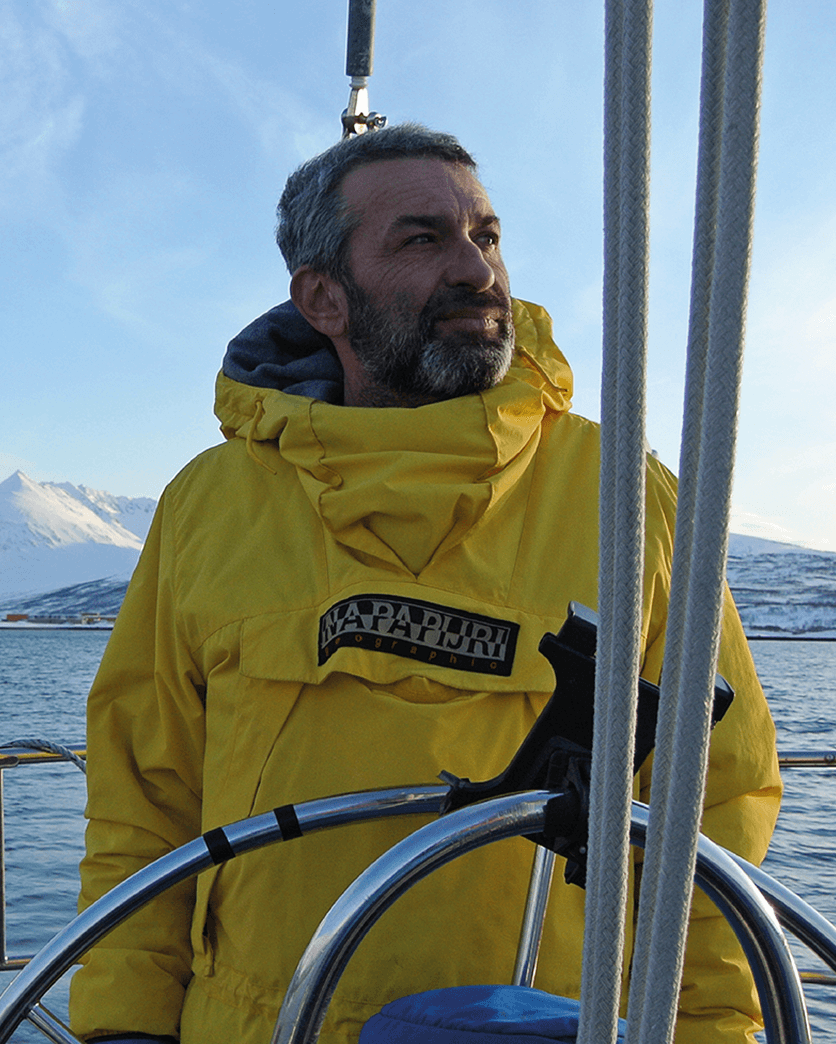
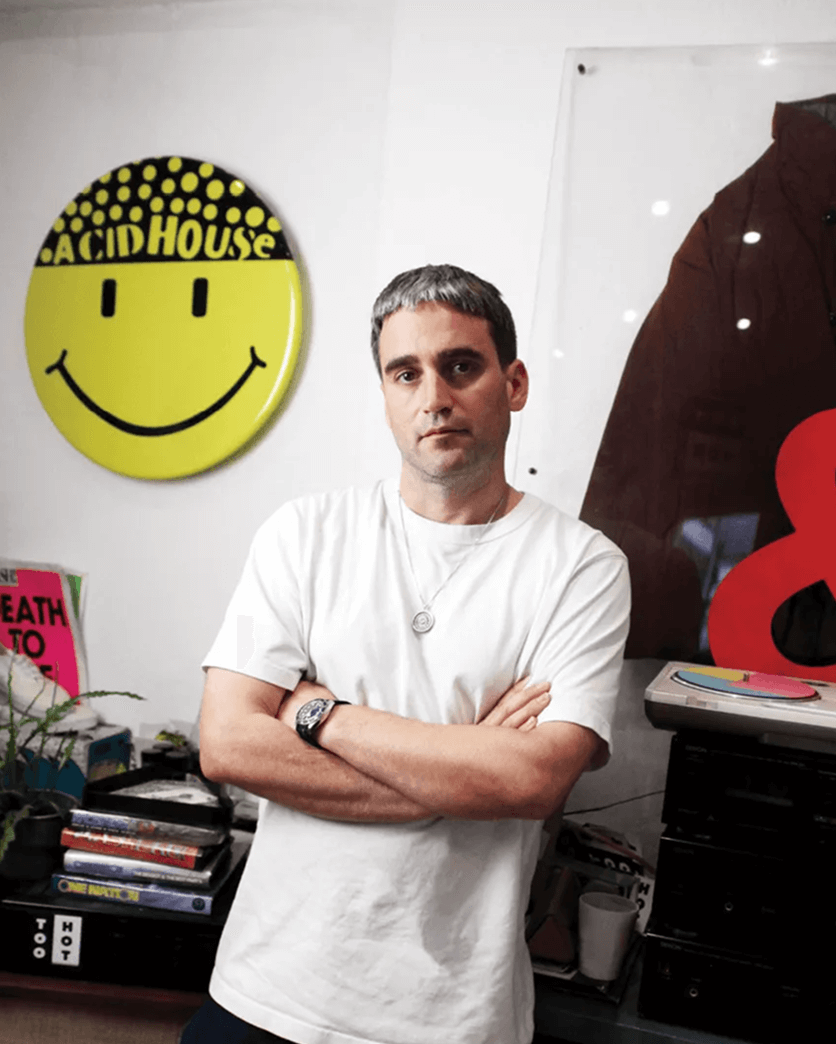
Harmony in Duality: Ulf Mejergren and Nina Doll
Energy, tension, unexpected clarity: when opposing ideas meet, something new begins to form in the space between them.
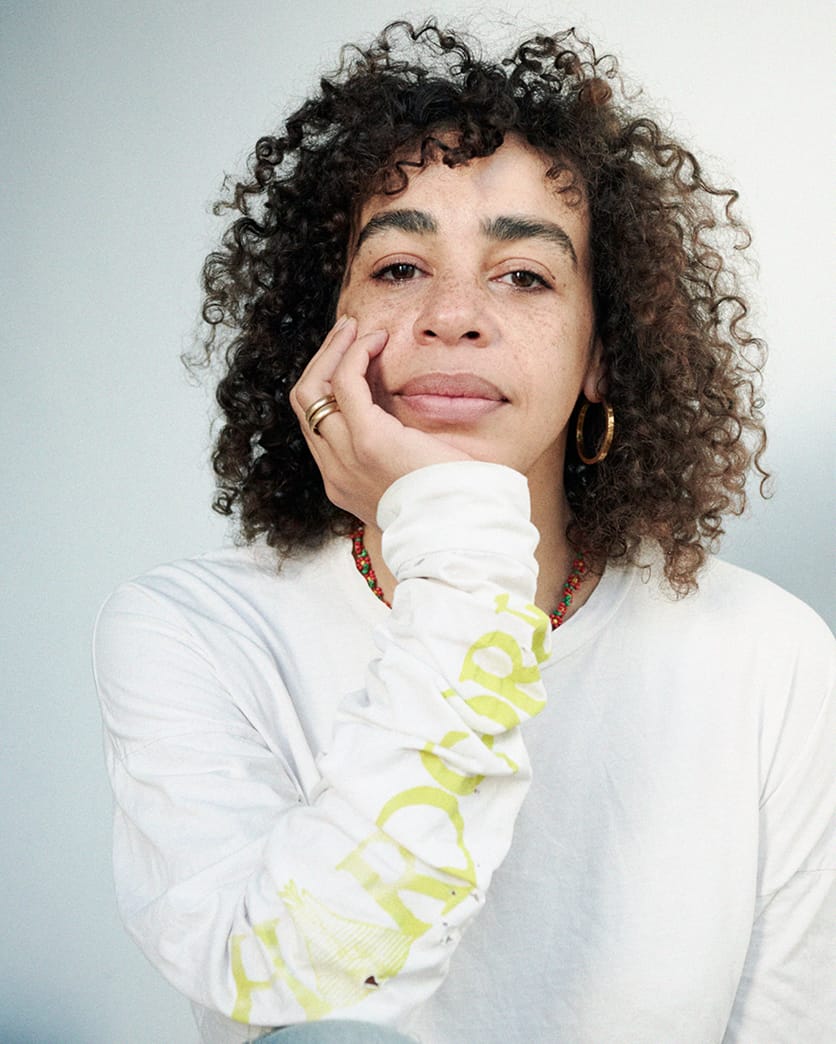
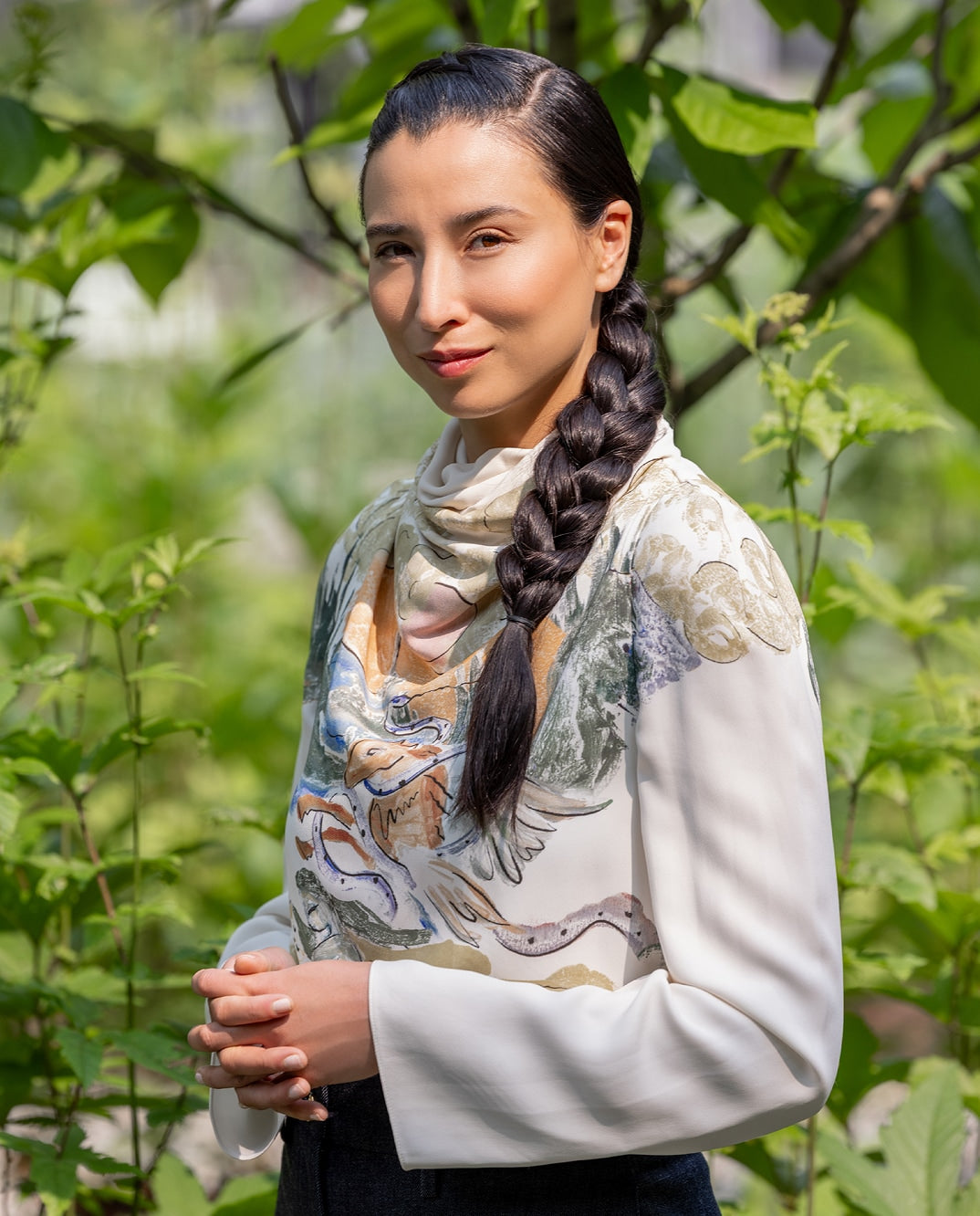
In this issue, we explore that space with architect‑artist Ulf Mejergren and multidisciplinary creator Nina Doll, two voices who thrive on friction and use contrast as a tool for discovery, balance, and bold creative play.
Harmony often emerges from unexpected differences. How do you respond when contrasting ideas challenge your sense of balance?
UM: I try not to resolve contrasts too quickly. When two ideas pull in opposite directions, I let the tension sit for a while. That friction often reveals an unexpected third path that neither idea held on its own. Balance, for me, comes from allowing different elements to coexist long enough to begin speaking to each other.
ND: Playing with opposing aesthetics is at the core of my practice. Whether combining real footage with digital layers or mixing soft organic shapes with cold metallic textures, contrasts create the tension that drives the work. I find peace and balance inside that chaos.
It takes courage to hold space for opposing forces. How do you create harmony without erasing difference?
UM: Harmony becomes interesting only when differences remain visible. I often pair the rough with the delicate or the ordinary with the surreal, letting each keep its character. Harmony is not about dissolving things into sameness but arranging them so they support each other, like a conversation rather than a monologue.
ND: In art, differences are the foundation of what I do, and harmony emerges from letting opposites coexist. In life it can be more complex. Some topics require you to stand your ground, but others benefit from multiple viewpoints, which can lead to the most inspiring and transformative conversations.
Harmony often emerges from unexpected differences. How do you respond when contrasting ideas challenge your sense of balance?
UM: I try not to resolve contrasts too quickly. When two ideas pull in opposite directions, I let the tension sit for a while. That friction often reveals an unexpected third path that neither idea held on its own. Balance, for me, comes from allowing different elements to coexist long enough to begin speaking to each other.
ND: Playing with opposing aesthetics is at the core of my practice. Whether combining real footage with digital layers or mixing soft organic shapes with cold metallic textures, contrasts create the tension that drives the work. I find peace and balance inside that chaos.
It takes courage to hold space for opposing forces. How do you create harmony without erasing difference?
UM: Harmony becomes interesting only when differences remain visible. I often pair the rough with the delicate or the ordinary with the surreal, letting each keep its character. Harmony is not about dissolving things into sameness but arranging them so they support each other, like a conversation rather than a monologue.
ND: In art, differences are the foundation of what I do, and harmony emerges from letting opposites coexist. In life it can be more complex. Some topics require you to stand your ground, but others benefit from multiple viewpoints, which can lead to the most inspiring and transformative conversations.
Is there someone you admire for their ability to turn contrasts into creative synergy?
UM: I admire artists and architects who embrace contradictions instead of solving them. People with a “Yes is More” attitude, like Bjarke Ingels. Society is complex, and reducing things too much makes them predictable. Like any good dish, creativity needs more than one ingredient.
ND: It is hard to name one person, but I admire creatives who still put strong, beautiful work into the world despite the challenges they face daily. That perseverance itself is a form of alchemy.
Does it take more courage to defend your position, or to listen deeply to an opposing one?
UM: It takes more courage to truly listen. Defending yourself is instinctive. Listening requires loosening your grip and accepting the risk of changing your mind, which is where growth usually happens.
ND: For many people, defending their position can be life‑threatening, and that demands immense courage. Listening to an opposing view does not require courage in itself but rather openness and emotional strength, depending on the topic.
Do you think embracing differences has allowed you to be freer in your practice, to innovate and dare more?
UM: Absolutely. Welcoming differences has made my practice more playful and less predictable. When I let contrasts in instead of trying to control them, I feel freer to experiment and follow unexpected ideas. It helps me keep my inner child’s curiosity alive.
ND: Definitely. Innovation comes from daring to do things differently. There is no change without thinking outside the box. Embracing differences lets you push beyond norms, even though putting something unconventional into the world is always scary.
Do you think embracing differences has allowed you to be freer in your practice, to innovate and dare more?
UM: Absolutely. Welcoming differences has made my practice more playful and less predictable. When I let contrasts in instead of trying to control them, I feel freer to experiment and follow unexpected ideas. It helps me keep my inner child’s curiosity alive.
ND: Definitely. Innovation comes from daring to do things differently. There is no change without thinking outside the box. Embracing differences lets you push beyond norms, even though putting something unconventional into the world is always scary.